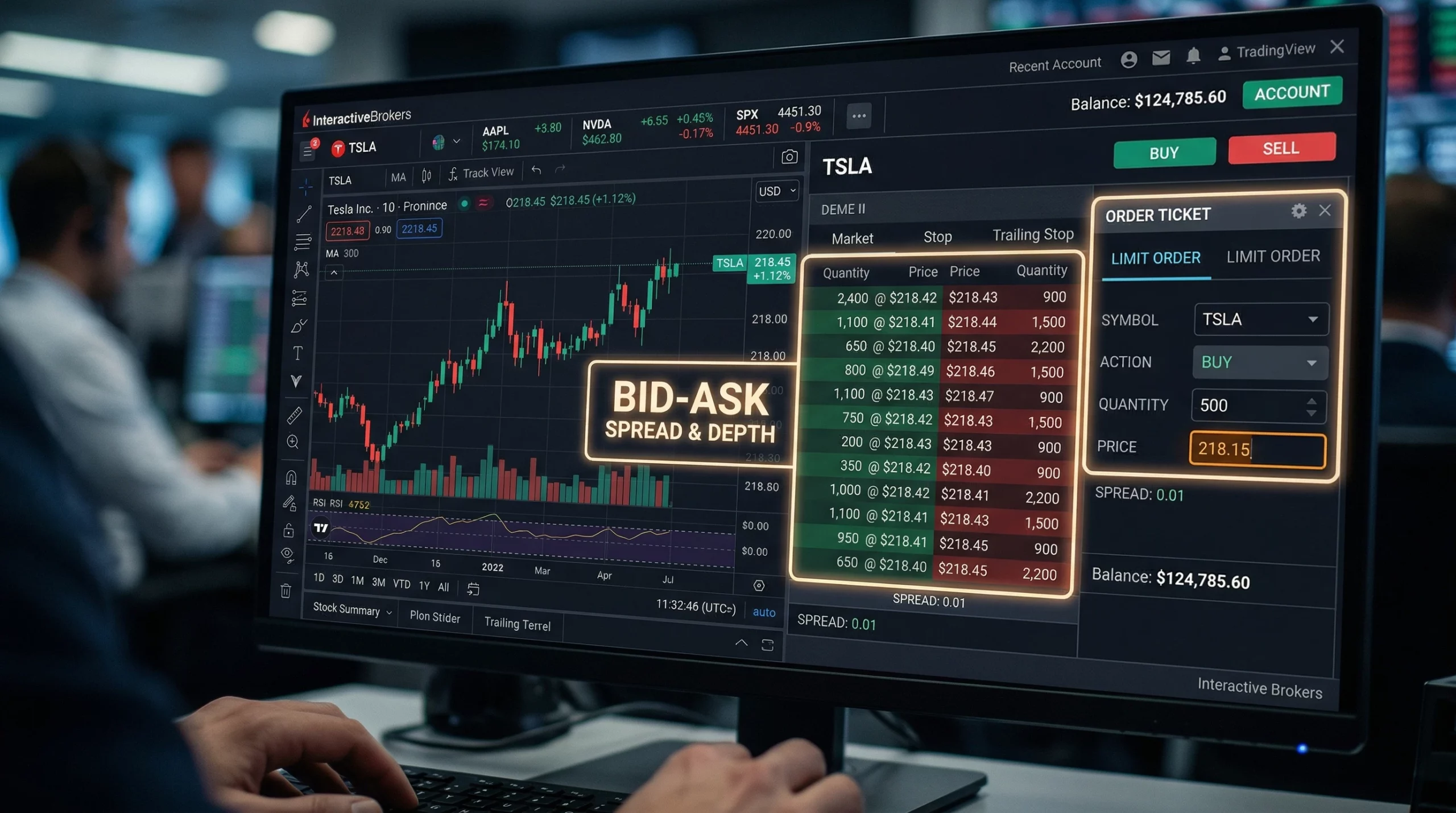
Placing stock trades without much thought can lead to some pretty jarring surprises, especially if you fire off a market order in a fast-moving stock. I use limit orders almost exclusively when buying or selling stocks because I want absolute control over what price I pay or receive. There are many reasons to use a limit order, and just a few cases where a market order makes sense, but knowing the difference can save you money and stress.
What is a Limit Order and How Does It Work?
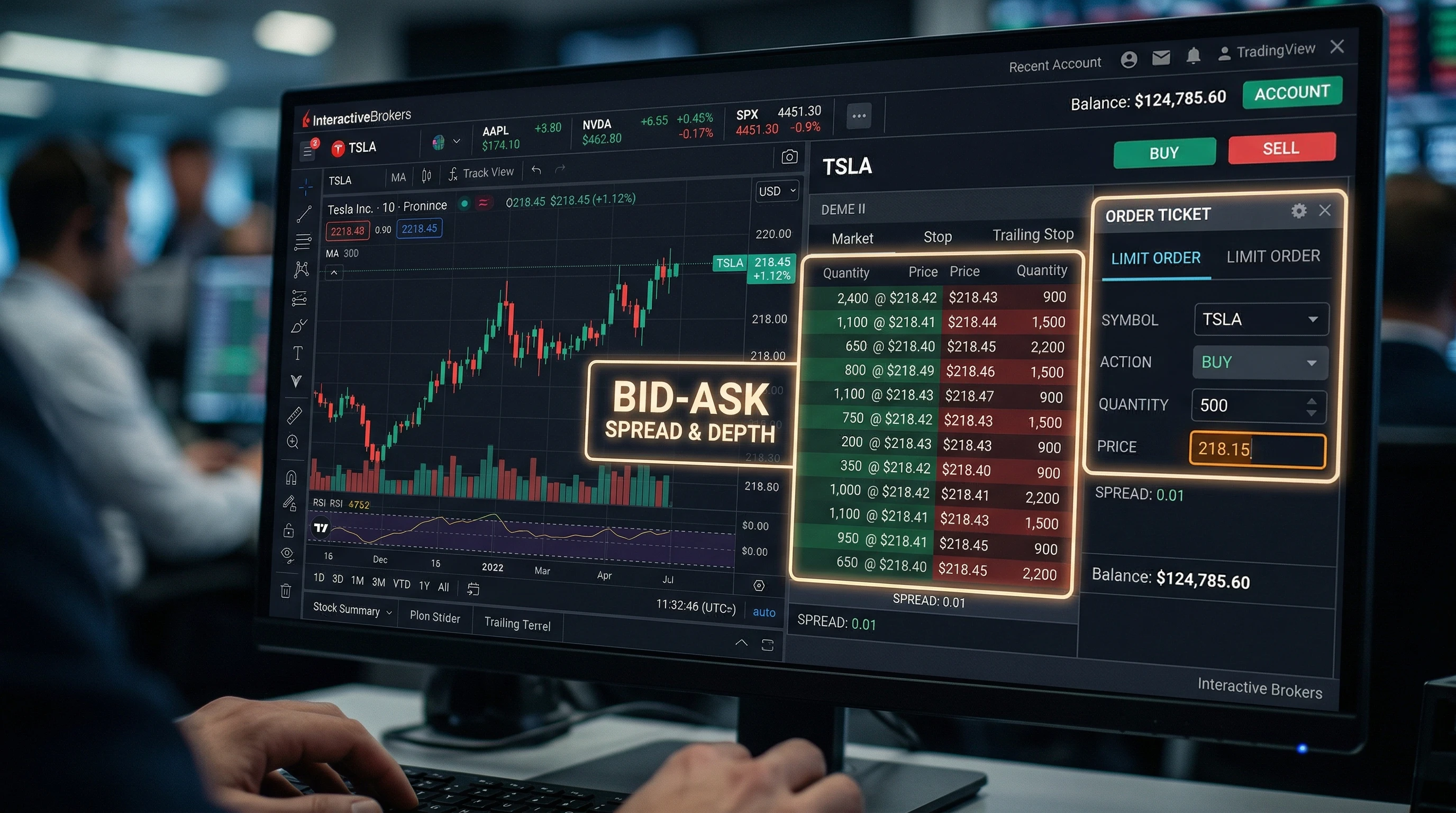
A limit order is a trading instruction you give your broker, telling them to buy or sell a stock only if it hits a certain price or better. Compared to a market order, which fills instantly at whatever price is available, a limit order gives you price protection. For example, if you put in a limit order to buy a stock at $25, your trade will only execute at $25 or lower. If you’re selling, the order will only fill at your limit price or higher.
I use limits because I want to avoid paying too much on a buy or getting a lowball price on a sale. It’s basically a way of saying, “I’m only okay with this trade if it meets my conditions.”
When Do Limit Orders Make Sense? (hint: almost always)
Limit orders are really useful in certain situations. Most of the time, I set a limit to make sure I’m not caught off guard. Here are the main times when I find myself using limit orders:
- Avoiding “Fat-Finger” Mistakes: Humans make mistakes. Accidentally hitting an extra zero on a market order can cost you big. Or how about this whopper: hitting buy when you meant to sell. Limits act as a guardrail.
- Buying on Pullbacks: If you want to buy the dip, placing a limit below the current price waits for the right moment instead of chasing the stock higher.
- Trading Volatile Stocks: When a stock’s price can swing by several percent in seconds, like on news days, limit orders keep you from paying much more (or selling for much less) than you want.
- Market Open and Close: The first and last 15 minutes of the trading day are often way more volatile because orders are piling up. Limit orders help avoid weird price spikes. But that’s also why I tend to avoid executing trades in the first or last few minutes of the day.
- Thinly Traded Stocks: Stocks with low trading volume can have big gaps between the highest bid (what someone’s willing to pay) and the lowest ask (what someone wants to sell for). This is called the spread. Placing a limit lets you wait for a fairer price, rather than getting stuck paying the full spread with a market order.
When a Market Order May Be More Appropriate
Even though I prefer limit orders, sometimes a market order makes more sense. If I need to exit a stock urgently, a market order is the only way to do it. For example, if I need to get out of a losing position immediately, maybe because the company just reported horrible news and the price is falling apart, using a market order will get me out right away. Other times include:
- Highly Liquid Stocks: The biggest mega-cap stocks (think Apple, Microsoft, or S&P 500 ETFs) usually have extremely tight spreads and tons of trading activity. Here, a market order will almost always fill at or near your displayed price, and you are not penalized with a wide spread. For these stocks, you’ll notice the bid and ask are nearly identical.
- Super Urgent Situations: If you need to exit a trade at any price, like if you’re managing risk at the end of the day or stuck in a rapidly falling stock, a market order is the fastest way out.
- Day Trading Exits: If you are day trading options and still holding in the last hour of the day, you might need a sure exit. Especially if your options are expiring and you have no desire to exercise your option contracts. A market order is a must when you need to GET OUT NOW.
- Failed Limit Orders: Sometimes, your limit order just isn’t getting filled, and you need to make a move rather than miss the trade altogether. Usually, you should wait for the limit order to fill instead, but you can make exceptions.
Spotting Liquidity and How it Affects Order Choice
Liquidity basically means how easily you can buy or sell a stock without moving the price too much. If a company has a ton of buyers and sellers (like the big blue chips), you can get in and out easily. If it only trades a few hundred shares here and there, that’s not the case.
Checking the bid-ask spread is key. The spread is the difference between the highest bid and the lowest ask price currently available. I always watch this before placing orders. If I see a bid at $10 and an ask at $10.02, that’s a super-tight spread, great liquidity. But if the bid is $10 and the ask is $11, that’s a $1 gap, and that’s rough. A spread of over 10% is usually a giant red flag for illiquidity. In those cases, market orders tend to fill at really bad prices, and even limit orders might not get filled at all. So, for illiquid stocks, placing a careful limit and being patient is really important. Liquidity can change throughout the day, increasing when markets open and close, and dropping off during slow lunchtime periods.
Step-by-Step: Placing a Limit Order
- Select Buy or Sell: Decide if you’re entering or exiting a trade and head over to your broker platform.
- Choose Limit Order Type: Make sure to select “limit” as your order type rather than “market.”
- Set Your Price: Enter your chosen buy or sell price. Be realistic, it has to match what the market could hit, not just some wild hope.
- Quantity Matters: Input how many shares you want to purchase or sell.
- Set Expiration: Choose how long your order stays active, just for the day or until it’s cancelled (sometimes called “GTC” or Good ‘Til Cancelled).
- Review and Submit: Double-check everything before submitting. Mistakes here are harder to fix after the fact!
What If You Get “Partially-Filled”?
Limits don’t always get filled, and that’s one big tradeoff. Sometimes the price just never touches your limit before moving in the opposite direction. In vibrant markets, the price might hit your limit price, but you could only get part of your order filled, leaving you “partially filled.”
If there aren’t enough shares available at your limit price, only part of your order can fill. If you wanted 100 shares but only 50 were available at your price, you’ll only get filled for those 50 unless more shares pop up at your limit.
I deal with this by placing realistic limit orders close to the current price. If it still “partials” me, I have the option of increasing my bid to get the rest or just cancelling it and forgetting about the rest.
Final Thoughts
I reach for a limit order almost every time. The few extra seconds it takes to set a price is worth it — especially when the market decides to get wonky right after you hit submit. Being aware of liquidity, keeping an eye on the bid-ask spread, and sticking to realistic price expectations make limit orders a useful tool in your trader pack.