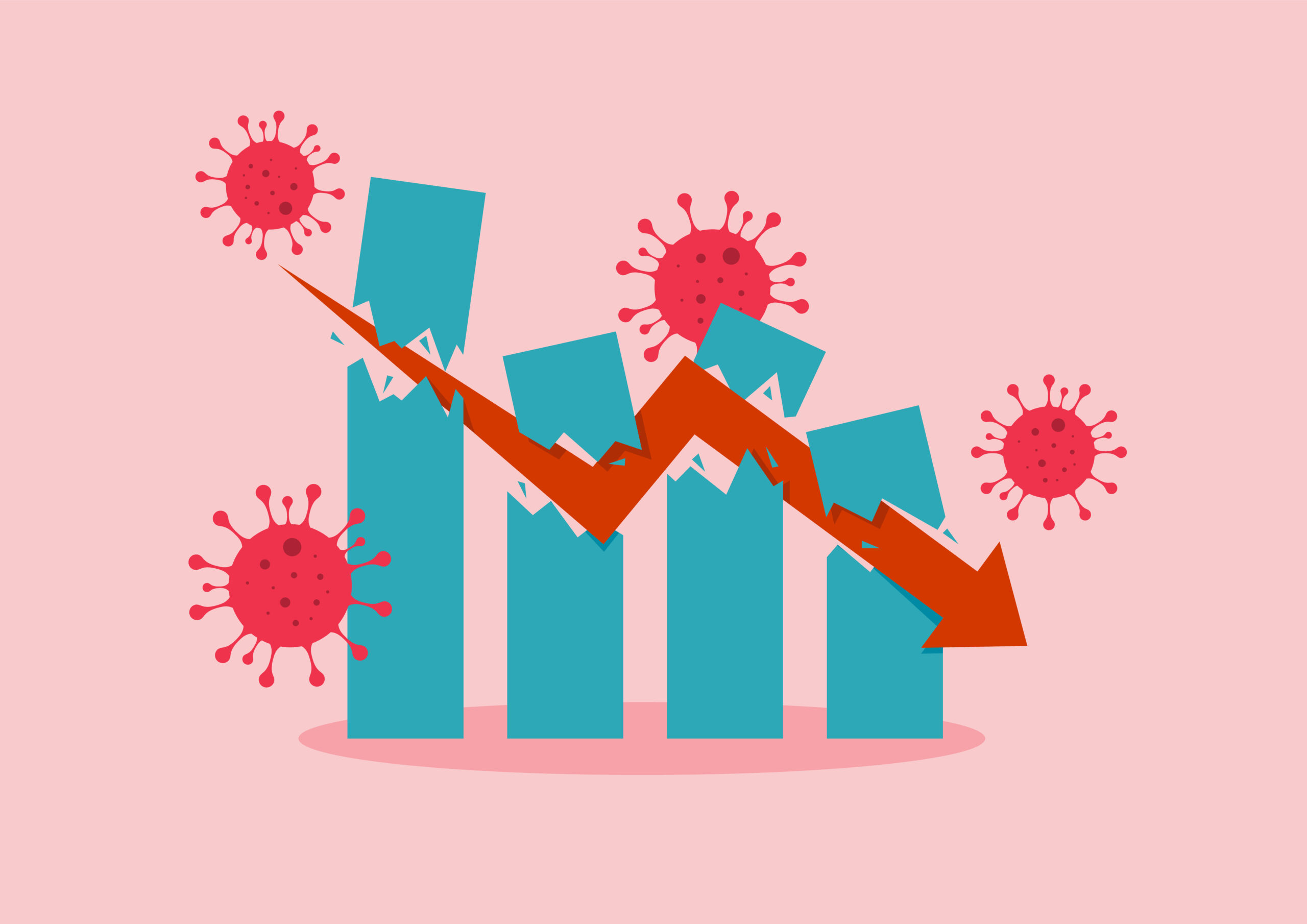
I picked the perfect time to dump my money into the markets. Right!?
I waited for years to open my stock account, just waiting for the perfect opportunity to take advantage of a market crash. In March 2020, the COVID-19 flash crash provided the perfect opportunity. I had saved tens of thousands of dollars to put to good use, and so I plopped it all into my shiny new Schwab account — all of it.
But market timing, I gradually learned, is only one of a hundred aspects of making money in the stock market. I was such a beginner in 2020; I didn’t know the difference between trading and investing. I treated them just the same.
The “Investor” Thesis (March 2020)
You see, I thought like an investor: “Save cash, wait for good opportunities, deploy cash.” Pretty good start. A trader thinks more opportunistically about what the markets are doing right now and how to take advantage of it — in either direction. This is not what I thought of myself doing. I was looking around at the markets crashing and politicians talking about shutting down their local and even national economies (like in Italy). I began thinking strategically about how I could best take advantage of this economic disaster.
So I did what a solid investor should do: I asked the only question that mattered — “What do I know? What businesses, industries, and products do I understand?”
In my case, I came up with three companies. Two of them were products I used personally and felt I had genuine insight into — Upwork (UPWK) and Zoom (ZM). The third was Dave & Buster’s (PLAY), chosen with pure common sense: if a stock drops from $40 to $4 because they’re the perfect storm for a shutdown economy — serving food and indoor entertainment in large groups — it has to boom once the world reopens.
Upwork had just bought out its biggest competitor, Elance, so it was in a dominant position in the industry. When the COVID-19 lockdowns came, I knew people who never used online freelance companies in their entire careers would be obsessively logging into Upwork to try to find work-at-home opportunities to replace some of the income they lost.
Elance’s business model had been to charge 10% for users to connect on their system, which was quite fair and made them a very popular website. Upwork charged 20%, and after they bought out Elance, that was the new going rate for this kind of work. As a user of both Elance and Upwork, I did the basic math and figured that Upwork would be raking in fees and would only benefit from the lockdowns. And yet, even once the lockdowns ended, remote work was already becoming a major trend in the global workplace. So, although it was helped by the current misfortune, its success didn’t require the continuance of lockdowns.
Zoom became one of the most famous of the lockdown stocks. Everybody and their neighbor was “Zooming” each other so they could at least look at each other and talk, in lieu of in-person meetings. It quickly — in what seemed overnight — became the go-to video tool for work meetings and for schools forced into makeshift online education programs.
My special insight on Zoom had occurred years earlier, around 2013, when I had used it for international tutoring lessons. I had used Skype to teach ESL lessons to English learners, but sometimes the connection was not very good, especially in certain countries. Enter Zoom. Somehow their product just worked better. I don’t know why. I don’t know the difference in their technology, but I knew it as a practitioner and fan-boy of their product. It was a no-brainer investment to me when I entered the market in 2020.
All three picks worked. Upwork alone ran from $5 to $60. I barely profited from any of it.
The Identity Crisis: Trader vs. Investor
I was thinking as an investor and was ready to invest in what I know. So far so good! The only problem was… I wasn’t an investor. I didn’t really know the difference between an investor and a trader at that point.
I was paying for some educational programs to learn about “investing” or “the stock market.” This seemed appropriate. After all, I didn’t really know what I was doing. But you see, these programs were teaching me to be a trader. And if I were learning to trade instead of invest, then those beautiful stories I just told you about my special insights were worth less than I might have led you to believe.
An investor needs a plan for holding — a target, a timeline, a reason to stay in. I had none of that.
I was not an investor. I was a very bad trader. And the trader’s goal is to make money on his trades. That was my goal. It didn’t work, but I liked the idea of it. I didn’t have the investor’s mentality of holding a good stock for a long time. If you find something of value, you should keep it until somebody is willing to pay you for that value. It usually takes months or years; in the COVID crash of 2020, it only took months. But months feel like years when you are trading. And worst of all, I was a new trader who was eager to try out my shiny new account and see how to make money.
I’m sure you know what happened next. I bought good companies at great prices and didn’t hold them very long. I ended up trading a lot in 2020, learning so many bad habits during this amazing market that was trending higher all year after the crash. I wasn’t making money during that uptrend, but I wasn’t losing very much either… yet.
The market took me to school slowly — that was almost the worst part. It wasn’t one catastrophic day. It was a gradual, creeping realization that the skills I was building in 2020, while real, weren’t the ones that mattered when things got hard. I was learning how to find trades. I just wasn’t learning how to protect myself from them. When the bubble hit and things stopped trending nicely upward, I had nothing to fall back on. No risk management. No exit plan.
I felt stupid. Ashamed, honestly. I had spent real money, real time, and genuine passion on this — and the account showed none of it. I didn’t tell people. You don’t exactly brag about losing your life savings. But that shame turned out to be useful. It’s what made me stop guessing and start actually learning.
The first thing you need to identify when you open an investment account is this: Am I a trader or an investor? Your answer will set you on a path of learning. You can walk both paths, or just one. But the real takeaway from my story is simpler: decide which path you’re on right now, and commit to it. I wish someone had told me that in March 2020. It would have saved me a lot of money, and a lot of shame.